

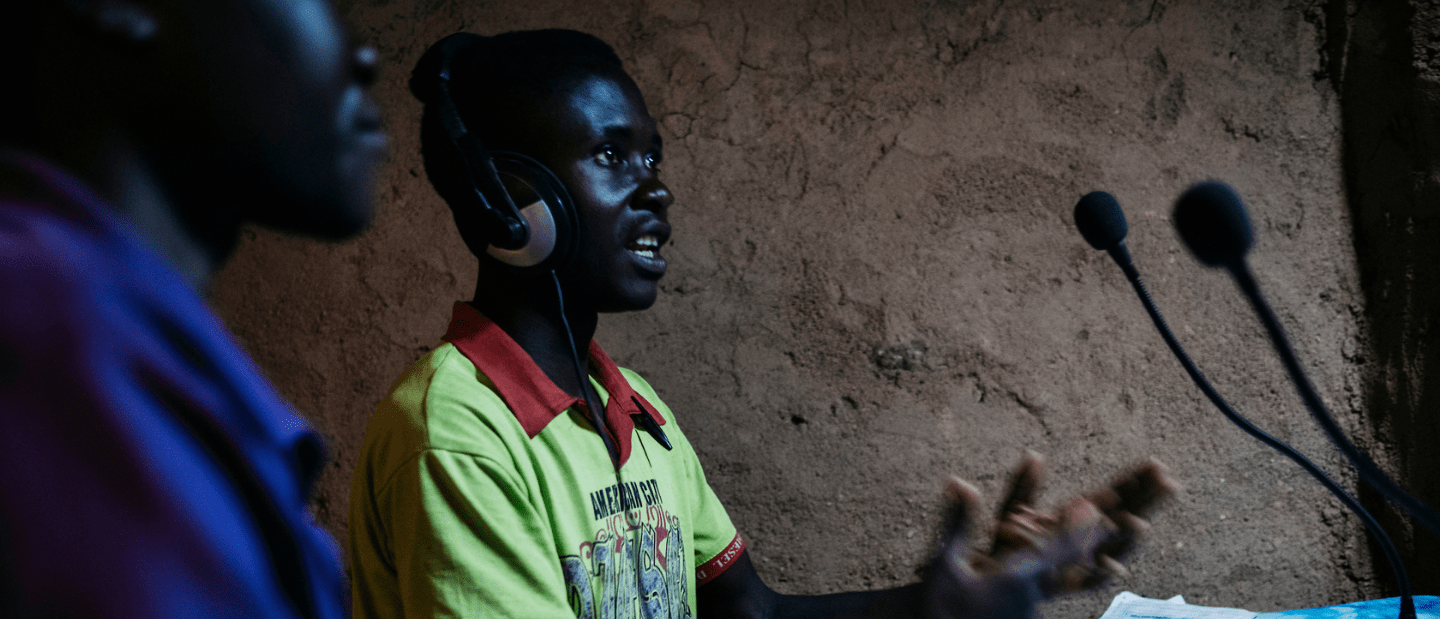
Shifting power for peace in times of COVID-19
Shifting power for peace in times of COVID-19 By Conducive Space for Peace, Humanity United and Peace Direct At the
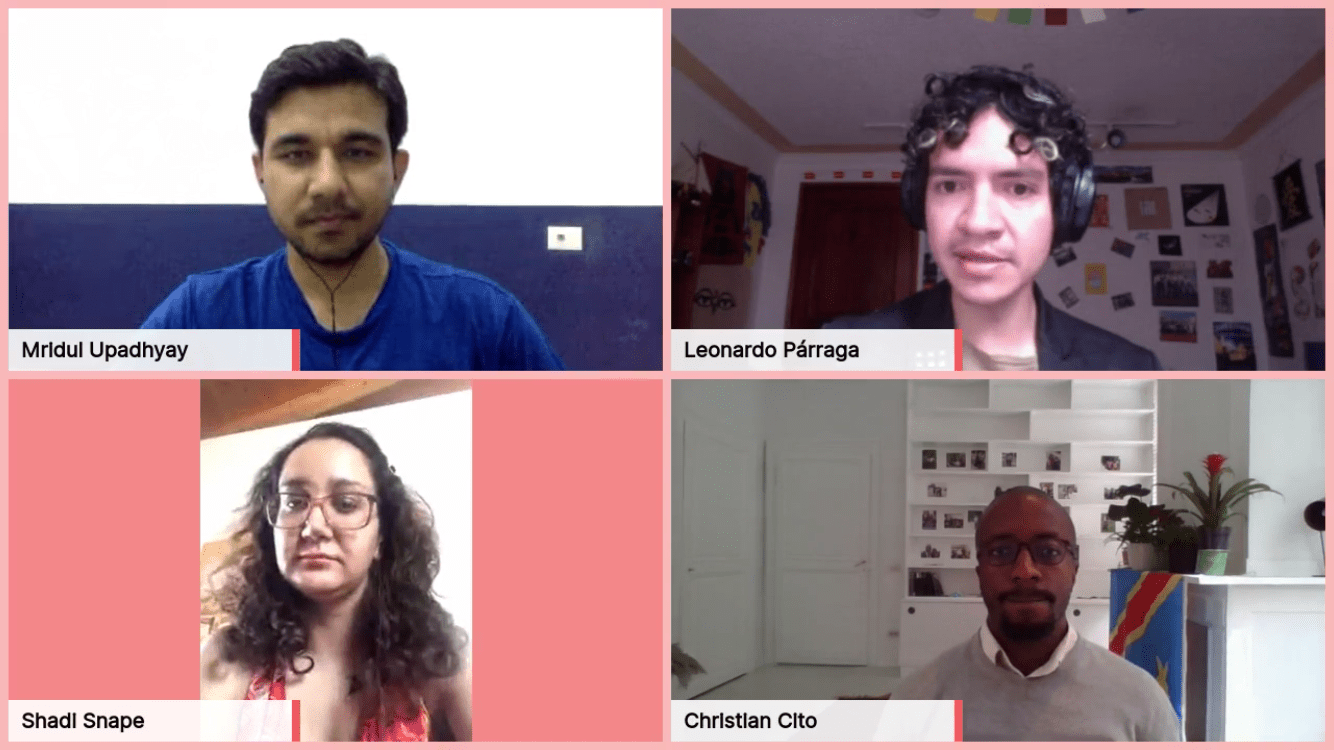
UNSCR: 2535: Unpacking the latest UN Security Council Resolution on YPS
UNSCR: 2535: Unpacking the latest UN Security Council Resolution on YPSOn July 14th, 2020, the United Nations unanimously passed UNSCR 2535, an

HLPF 2020 Side-Event on Impact of Covid-19 on Local Peacebuilding
Event Briefing note: HLPF 2020 Side-Event on Impact of Covid-19 on Local PeacebuildingEvent held 16 July 2020 Overview Peaceful, just

Women Peacebuilders on the Frontlines of the Covid-19 Crisis
Women Peacebuilders on the Frontlines of the Covid-19 Crisis During the Nordic Women Mediator’s meeting conducted on June 3rd and 4th 2020,

Bridging the Gap webinar series to be launched for young, aspiring peacebuilders
Bridging the Gap webinar series to be launched for young, aspiring peacebuilders Are you a young person reaching the end

Survey among local peacebuilders: What changes in funding do you experience as a consequence of the pandemic?
Shift Power for Peace Launches Digital Inclusion Initiative for Local Peacebuilders Calling fellow local peacebuilders! Kindly consider taking 5 minutes
A European Autumn?
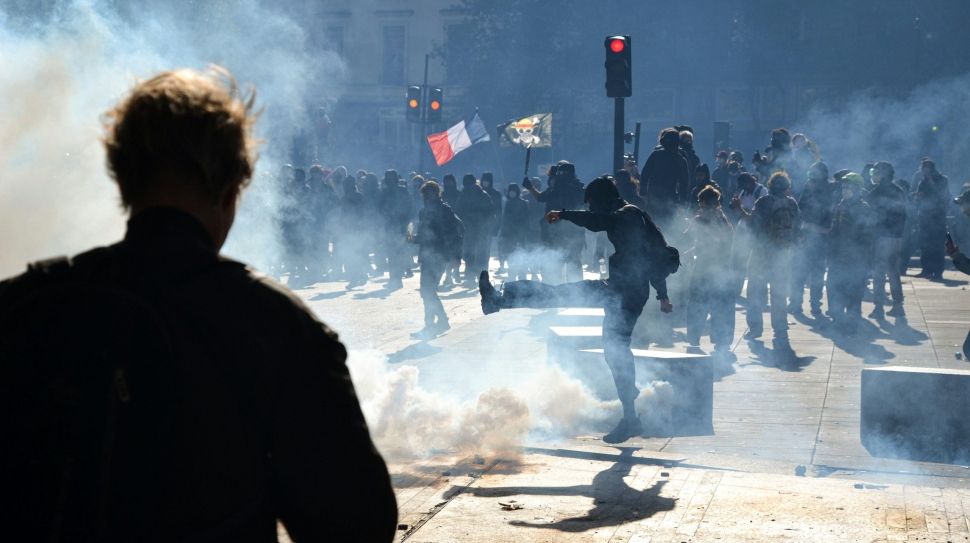
At the heart of many protests that have filled Europe’s streets since September is a question of what an ordinary and dignified life now costs. Half of the Europeans aged 16 to 26 polled in seven countries this spring expect to be worse off than their parents. Young people in the EU name the cost of living first when asked what worries them most about their future. In several countries, government responses have included riot police, fast-track courts and rhetoric about extremism.

A Pause, a Breath, a New Chapter
In August, the CSP team gathered in Copenhagen for three days of reflection, conversation and looking ahead. On the fourth day, our board joined us for a seminar. We came together at an important moment in CSP’s journey. A change in leadership had opened space to build on what we have learned, bring fresh perspectives to our work and ask where CSP can make its strongest contribution in the years ahead.

Reclaiming Civic Sovereignty for Peace and Collective Freedom: Germany and Europe at a Crossroads
Conducive Space for Peace and Robert Bosch Stiftung convened an informal Chatham House roundtable in Berlin on 7 May 2026, bringing together civil society practitioners and thinkers working across Germany and Europe on peace, democracy, and civic space.

A Change in Leadership at CSP
After nearly a decade at the helm of the organisation she founded, Mie Roesdahl has chosen to step down from her role with CSP to turn her attention to new passions and projects close to her heart. Mie founded CSP in 2016, bringing over two decades of experience as a peacebuilding and human rights practitioner across Africa, Asia and Europe, including her previous roles as Secretary General of Oxfam IBIS and Department Director at the Danish Institute for Human Rights.

Building from the Ground: Reflections from the Jumuiya Gathering in Nairobi
In East Africa and across the world, civic space is shrinking. Those working to defend rights and democratic participation are facing increasing pressure, including arrest, forced exile, and, in some cases, punitive violence. At the same time, movements in the region remain active, resilient, and deeply rooted in their communities.

Reflections from the CSO-UN Dialogue on Peacebuilding 2025
The big question is of course whether an annual meeting like the CSO-UN Dialogue is able to create space for meaningful exchange, learning, and listening to the critically important input and recommendations from civil society across the globe. The Dialogue matters, convening an incredibly diverse set of leaders, experts and practitioners from around the world, but its value depends on what happens after the room clears

Stretching What’s Possible: Civil Society Shaping a More Transformative Multilateralism for Peace and Human Rights
Conducive Space for Peace convened a virtual exchange on December 3rd, 2025, ahead of the 2025 CSO–UN Dialogue on Peacebuilding in Geneva. The exchange drew interest from seventy registered Dialogue participants and other civil-society actors from Africa, Asia, the Middle East, Europe and the Americas interested in how civic actors and multilateral institutions can work together in new ways. This note is a summary of the insights that emerged through short provocations and group discussions, including areas of challenges, uncertainties and questions that that merit continued exploration as enter the Dialogue.

Invitation: Informal Online Exchange Ahead of CSO-UN Dialogue
Civic space continues to narrow worldwide, even as UN human rights and peacebuilding architectures struggle to offer adequate protection and support. At the same time, global cooperation is fragmenting, demanding new forms of collaboration with civil society to uphold legitimacy and deliver on core mandates. The 2025 CSO-UN Dialogue takes place at a pivotal moment, with UN reform efforts advancing amid growing volatility and new pressures on multilateralism. Civil society remains a vital force for peace and inclusion, yet faces unprecedented challenges in resourcing, trust, and access.

Turning Possibility Into Practice: How the RESPACE Scenarios Are Helping Reimagine Collaboration for Peace
The world is at a crossroads. Rising conflict, inequality and climate injustice are testing our collective imagination, while systems meant to foster cooperation are often gridlocked by polarisation and inertia. Yet cracks in the system also create space for alternatives. Across the world, communities and civic actors are proving that new forms of solidarity and collaboration are possible.

We, the ‘Benevolent Helpers’
There is much to criticise about Trump Jr.’s trip to Nuuk in January. A great deal, in fact, not least in relation to the stated desire of the U.S. to control Kalaallit Nunaat/Greenland and the unreasonable pressure placed on Naalakkersuisut (the Greenlandic government) in this regard. However, one positive outcome emerged. It was said loudly – so loudly that the Danish government and population could not avoid hearing it – that Inuit/Greenlanders are subjected to prejudice and racism, and that there is no equity in the Danish-Greenlandic relationship.